.svg)
Dental Fillings in South Barrington, IL
Tooth-colored composite fillings that are strong, natural-looking, and bonded to preserve as much tooth structure as possible. No amalgam (silver) fillings.
.svg)
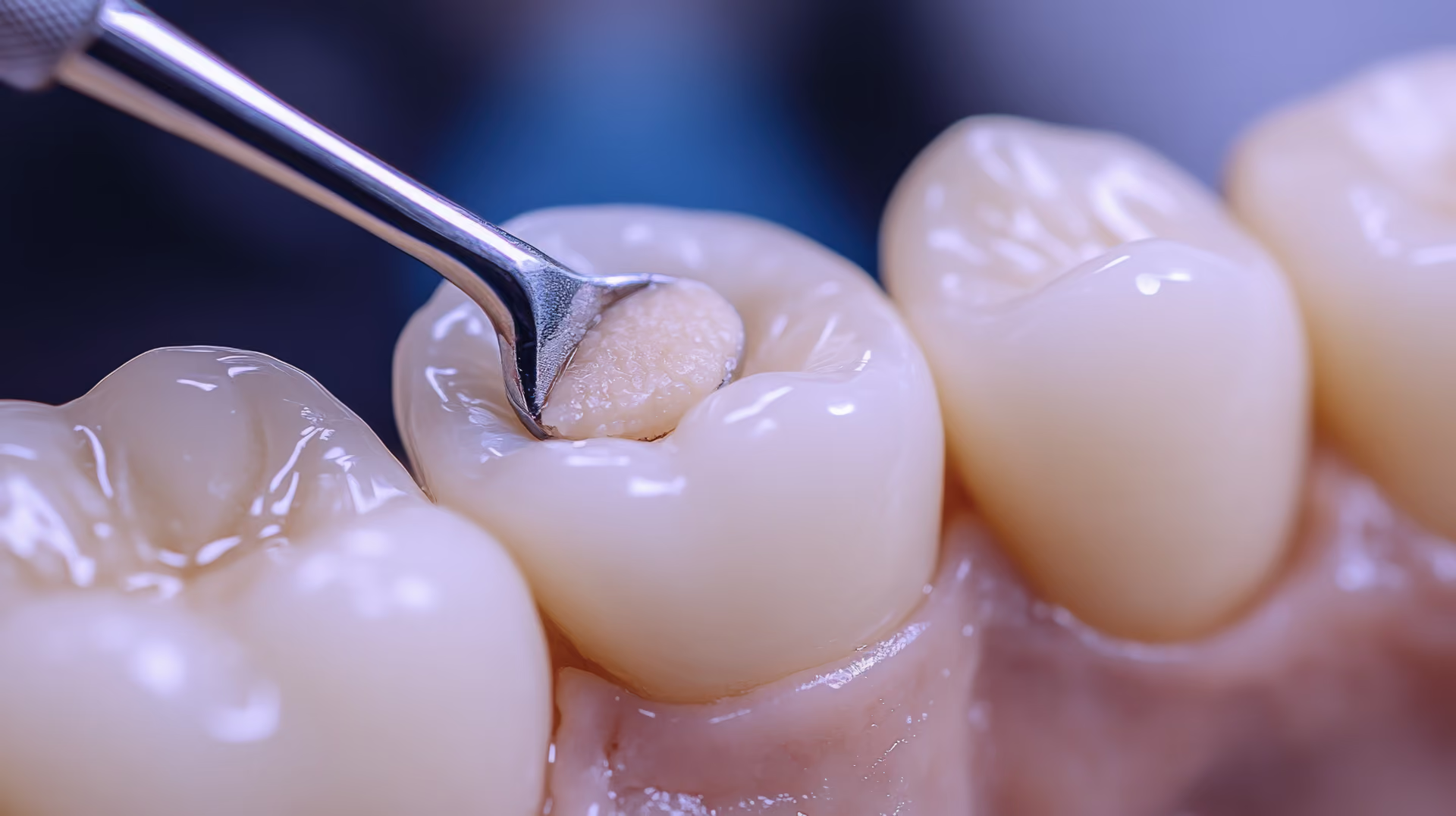
Dental Fillings in South Barrington, IL
Dental fillings are the most common restorative procedure in dentistry. A filling repairs a cavity by removing decayed tooth structure and replacing it with a durable material that restores the tooth’s shape, strength, and function. At South Barrington Dental Care, we use only tooth-colored composite resin fillings. We do not place amalgam (silver) fillings, and we do not recommend replacing existing amalgam fillings unless they are failing.
Modern composite fillings bond directly to tooth structure, which allows us to remove less healthy tooth than was historically required with amalgam. The result is a more conservative restoration that preserves tooth structure, looks natural, and provides reliable long-term function. For most cavities, a composite filling is the ideal treatment.
What a Composite Filling Is
Composite filling material is a mixture of plastic resin and fine ceramic particles. It comes in many shades to match natural teeth and is applied in layers, with each layer hardened by a specialized curing light. Once fully cured and polished, a composite filling is durable, natural-looking, and bonded directly to the surrounding tooth structure.
Benefits
- Natural-looking (tooth-colored, blends with surrounding enamel)
- Bonds directly to tooth structure
- Conservative (removes less healthy tooth than amalgam)
- Reinforces the tooth by bonding to the walls of the cavity
- No mercury (unlike amalgam fillings)
- Completed in a single visit
- Can be repaired or added to rather than replaced entirely in some cases
When Fillings Are Recommended
- Small to moderate cavities
- Small fractures or chips
- Worn biting surfaces
- Small areas of enamel erosion
- Cosmetic repair of small discolored areas
- Replacement of failing older fillings
The Filling Process Step by Step
Step 1: Exam and Diagnosis. Dr. Allison Bartley identifies cavities using digital X-rays, visual exam, and when appropriate, intraoral photography.
Step 2: Anesthesia. Local anesthesia numbs the tooth and surrounding area. Gentle injection technique minimizes discomfort.
Step 3: Decay Removal. Only the decayed portion of the tooth is removed, preserving as much healthy tooth structure as possible.
Step 4: Cleaning and Preparation. The cavity is cleaned and lightly etched to prepare for bonding.
Step 5: Bonding Agent. A thin bonding layer is applied to the prepared surface.
Step 6: Composite Layering. Tooth-colored composite is applied in thin layers and each layer is hardened with a curing light.
Step 7: Shaping. The filling is shaped to match your bite and natural tooth contour.
Step 8: Polishing. A series of polishing instruments produces a smooth, natural-looking finish.
Step 9: Bite Check. Your bite is verified to ensure the filling does not interfere with normal function.
Timeline
- Single filling: 30-45 minutes
- Multiple fillings in same visit: 45-90 minutes
- Numbness lasts: 1-3 hours
- Filling lifespan: 5-10+ years with proper care
- Return to eating: Once numbness resolves
Cost Factors
Filling costs depend on the size of the cavity and the number of tooth surfaces being restored. Most PPO dental insurance plans cover fillings at 70-100% after deductible. Composite (tooth-colored) fillings may be covered at a different rate than amalgam by some older plans, though most modern plans cover both equally.
We provide estimates before treatment. See our finance and insurance page.
Risks and Limitations
Post-op sensitivity. Mild cold sensitivity for a few days to weeks is common after a filling, especially if the cavity was close to the nerve.
Possible nerve involvement. Deep cavities can cause pulp inflammation. If a tooth remains symptomatic after a filling, root canal therapy may become necessary.
Filling failure. Like all restorations, fillings eventually wear, stain, or leak. A failing filling is replaced rather than repaired in most cases.
Large fillings may need a crown eventually. When too much tooth structure is lost to decay, a crown provides better long-term protection than a large filling.
Bite adjustments. Occasionally a new filling feels high or uneven; a quick adjustment visit can correct this.
Who Is a Good Candidate
- Patients with small to moderate cavities
- Patients with small fractures or chips
- Patients wanting natural-looking repair of older dark fillings
- Patients with healthy remaining tooth structure around the cavity
Who Is NOT a Good Candidate
- Patients with very large cavities (a crown may be better)
- Patients with nerve involvement or infection (needs root canal first)
- Patients with active gum disease (treat first)
Comparison: Composite Fillings vs. Older Alternatives
Composite (tooth-colored): Natural appearance, bonds to tooth structure, conservative preparation, moderate durability, no mercury.
Amalgam (silver): Very durable, longer clinical history, requires more tooth removal, contains mercury, visible silver appearance. We do not place these.
Onlay: Partial-coverage restoration for larger damage, made of porcelain or gold, more durable than a large composite filling, more conservative than a full crown.
Crown: Full coverage, most durable option for heavily damaged teeth, requires more preparation, higher cost.
For most small to moderate cavities, composite is the right choice. For larger damage, onlay or crown may be better.
Alternatives
- Onlay or inlay restorations for moderate damage
- Dental crowns for heavily damaged teeth
- Dental bonding for cosmetic-only concerns
- CEREC same-day crowns for patients who need more coverage
Provider Authority
Dr. Allison Bartley places fillings with a conservative, tooth-preserving approach. Digital imaging catches cavities early, and careful isolation during placement helps ensure bonding is successful. Meet Dr. Bartley.
Serving the Northwest Suburbs
Patients come for fillings from South Barrington, Inverness, Streamwood, Hoffman Estates, Palatine, Schaumburg, and Arlington Heights.

.svg)
.svg)
.svg)
Common Questions About Dental Fillings
How long do composite fillings last?
Composite fillings typically last 5-10+ years with proper care. Smaller fillings in less stressed areas often last longer. Larger fillings in chewing surfaces may need earlier replacement.
Does a filling hurt?
Local anesthesia blocks pain during placement. Mild cold sensitivity for a few days to weeks is common but typically resolves.
Can I eat right after a filling?
You can eat once the numbness resolves (usually 1-3 hours). Modern composite fillings are fully hardened when you leave the office, so there is no waiting period for the filling itself.
Should I replace my old silver fillings?
Not unless they are failing. Removing functional amalgam fillings unnecessarily exposes healthy tooth structure and can sometimes cause complications. We recommend replacement only when there is decay underneath, cracking, or other signs of failure.
Does insurance cover fillings?
Most PPO dental insurance plans cover fillings at 70-100% after deductible. Coverage for composite fillings on back teeth varies by plan.
South Barrington Dental Care has been serving patients in the Northwest Suburbs of Chicago for years and has built a strong local reputation for comprehensive, patient-centered care. Dr. Allison Bartley leads the practice and the all-female clinical team.
Schedule A Filling Appointment at South Barrington Dental Care
Serving patients across South Barrington, Inverness, Streamwood, Hoffman Estates, Palatine, Schaumburg, and Arlington Heights.