.svg)
Teeth Cleaning in South Barrington, IL
Professional teeth cleaning by registered dental hygienists. Routine prophylaxis for healthy gums or scaling and root planing for gum disease. Gentle technique and thorough results.
.svg)
Teeth Cleaning in South Barrington, IL
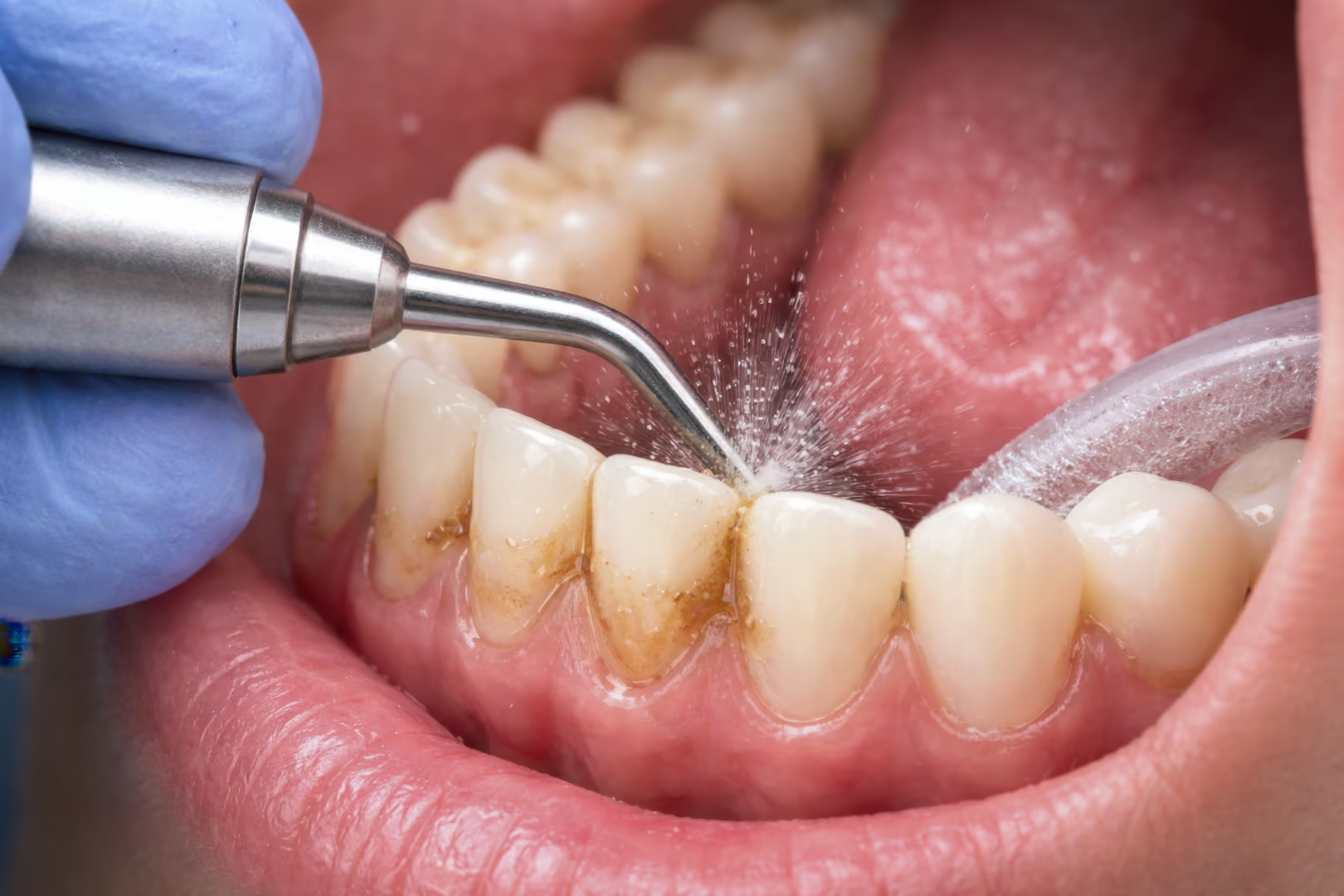
Professional teeth cleaning is more than a cosmetic polish. It is the single most effective preventive treatment in dentistry, removing plaque and tartar that cannot be eliminated by brushing and flossing alone and protecting you from the gum disease that causes most adult tooth loss. At South Barrington Dental Care, our registered dental hygienists tailor each cleaning to your specific periodontal needs, from routine prophylaxis to deeper periodontal maintenance.
Two main types of cleaning are performed depending on your gum health: routine prophylaxis for patients with healthy gums, and scaling and root planing (deep cleaning) for patients with gum disease. Our hygienists measure your gum health at every visit to determine which type is appropriate.
Types of Cleanings
Prophylaxis (Routine Cleaning)
For patients with healthy gums and no active periodontal disease. Removes plaque and tartar from above the gum line and lightly below it, with polishing to remove surface stains. This is what most patients receive at their twice-yearly exam and cleaning.
Scaling and Root Planing (Deep Cleaning)
For patients with gum disease (periodontitis). Removes plaque and tartar from below the gum line, smooths the root surfaces so bacteria cannot re-adhere easily, and allows the gums to reattach to the tooth. Often done in two visits (upper and lower halves of the mouth) with local anesthesia.
Periodontal Maintenance
Ongoing hygiene care for patients with a history of periodontal disease. Performed every 3-4 months rather than every 6 months because the risk of relapse is higher. More thorough than a routine prophylaxis.
Benefits of Professional Cleaning
- Remove plaque and tartar brushing cannot reach
- Prevent gum disease and the bone loss and tooth loss it causes
- Reduce bad breath caused by bacteria accumulation
- Remove coffee, tea, wine, and tobacco stains
- Freshen breath and improve mouth feel
- Detect small issues early when they are easy to fix
- Reinforce home care habits with personalized coaching
The Process Step by Step
Step 1: Periodontal Assessment. Pocket depths are measured around each tooth.
Step 2: Ultrasonic Scaling. A gentle ultrasonic tool breaks up tartar with vibration and water spray.
Step 3: Hand Instrumentation. Finer hand scalers and curettes remove tartar the ultrasonic missed.
Step 4: Polishing. A slightly abrasive paste on a rotating rubber cup polishes teeth smooth and removes surface staining.
Step 5: Flossing. Every contact between your teeth is cleaned.
Step 6: Fluoride Treatment. On request or for high-cavity-risk patients.
Step 7: Home Care Coaching. Personalized tips on brushing technique, flossing, or adjunctive tools (water flossers, interdental brushes).
Timeline
- Prophylaxis: 45-60 minutes
- Scaling and root planing (half mouth): 60-90 minutes per visit, typically two visits total
- Periodontal maintenance: 60 minutes every 3-4 months
Cost Factors
Routine prophylaxis is typically covered at 100% by most PPO dental insurance plans twice per year. Scaling and root planing is usually covered at 80% after deductible, though coverage varies by plan. Periodontal maintenance is usually covered at 80% and limited to 4 times per year.
For self-pay patients, routine cleanings are among the most affordable dental procedures. See our finance and insurance page.
Risks and Limitations
Short-term sensitivity. Some teeth may be sensitive to cold for a few days after a deep cleaning, as tartar that was insulating the root surface has been removed.
Minor bleeding. Inflamed gums may bleed during cleaning. This is expected and resolves as the gums heal.
Existing restorations. Very large old fillings or failing crowns can sometimes loosen during cleaning and need replacement.
Scaling and root planing is not permanent. Without proper home care and periodontal maintenance, gum disease can return.
Who Is a Good Candidate
Routine prophylaxis: Any patient with healthy gums and no active periodontal disease.
Scaling and root planing: Patients with gum disease evidenced by deep pocket depths (4mm+), bleeding on probing, and/or radiographic bone loss.
Who Is NOT a Good Candidate
Patients with severe medical conditions that contraindicate dental procedures may need medical clearance first. Patients with complex periodontal disease may need a referral to a periodontist. Patients with certain cardiac conditions may need antibiotic prophylaxis before cleaning.
Comparison: Prophylaxis vs. Deep Cleaning
Alternatives and Complements
- Cleanings and exams as the standard twice-yearly comprehensive visit
- Oral cancer screening at every comprehensive exam
- Occlusal guards if grinding is contributing to wear or recession
- At-home adjuncts: water flossers, interdental brushes, prescription rinses
Why Our Hygienists
Candice and Tina have over 13 years combined experience at the practice and are known for a genuinely gentle touch. They take time to explain findings, teach technique, and answer questions about oral health. Meet the team.
Serving the Northwest Suburbs
Patients come to us for teeth cleaning from South Barrington, Inverness, Streamwood, Hoffman Estates, Palatine, Schaumburg, and Arlington Heights.

.svg)
.svg)
.svg)
Common Questions About Teeth Cleaning
How often should I get my teeth cleaned?
Every 6 months for healthy patients, every 3-4 months for patients with a history of gum disease. Your hygienist will recommend an interval based on your specific oral health.
Does teeth cleaning hurt?
Routine cleanings are usually comfortable. Deep cleanings can cause some discomfort, but local anesthesia is used to keep you comfortable throughout.
How much does a teeth cleaning cost?
Routine cleanings are typically covered at 100% by PPO insurance. Self-pay pricing is posted and available by phone. Deep cleanings cost more but are usually covered at 80% by insurance.
Will a cleaning whiten my teeth?
Cleaning removes surface stains from coffee, tea, wine, and tobacco, which can noticeably brighten teeth. For deeper whitening, see Zoom teeth whitening.
Can I eat right after a cleaning?
Yes, immediately. If you had fluoride, wait 30 minutes.
South Barrington Dental Care has been serving patients in the Northwest Suburbs of Chicago for years and has built a strong local reputation for comprehensive, patient-centered care. Dr. Allison Bartley leads the practice and the all-female clinical team.
Schedule A Cleaning at South Barrington Dental Care
Serving patients across South Barrington, Inverness, Streamwood, Hoffman Estates, Palatine, Schaumburg, and Arlington Heights.